
Advanced hardware mechanics for electronic vaporizers

Modern vaporization relies on precise temperature control algorithms, transforming flavored formulas into dense clouds through rapid heating cycles and engineered airflow pathways.
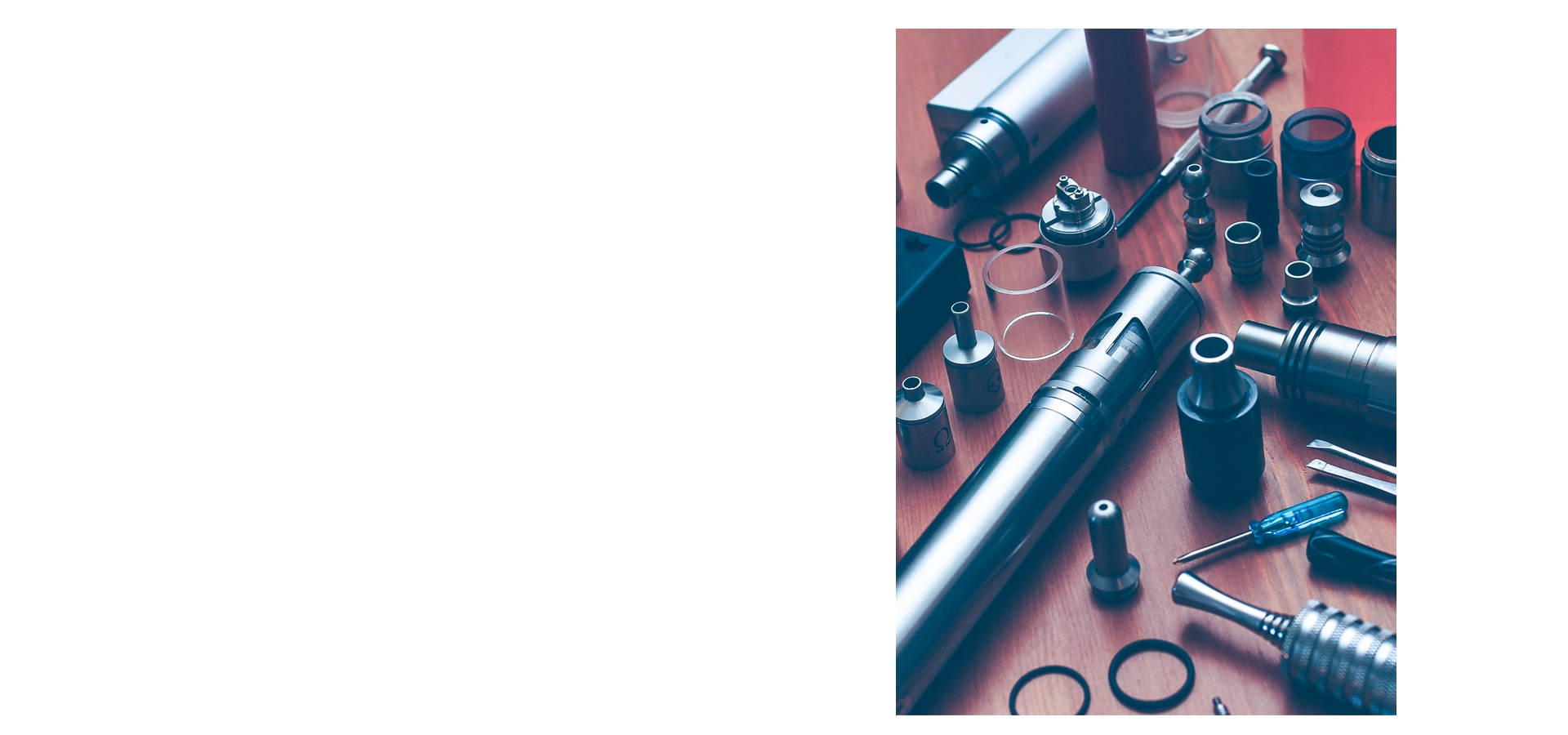
Structural components of electronic delivery systems
Hardware architecture dictates performance capabilities, combining battery modules with integrated circuitry to manage continuous power output efficiently during operation.
Box mods feature variable wattage settings and digital displays, granting extensive control over the thermal output applied to the heating element. Mechanical alternatives bypass regulatory chips, drawing raw voltage directly from the power cell, demanding a thorough understanding of electrical resistance principles to prevent dangerous hardware failures during activation.
Pod configurations offer compact solutions utilizing proprietary magnetic cartridges, seamlessly integrating the coil and reservoir into a single removable unit optimized for straightforward portability and quick formula replenishment.

Chemical profiles of vaporization liquid solutions
Propylene glycol serves as a flavor carrier, providing a distinct sensation upon inhalation, while vegetable glycerin creates dense vapor production due to its high viscosity. Balancing these two base ingredients determines the overall consistency, affecting how quickly the internal cotton wick absorbs the formula before reaching combustion temperatures.

Flavor extracts
Food-grade concentrates provide distinct aromatic profiles without artificial sweeteners.

Nicotine salts
Modified chemical structures ensure smoother throat sensations during inhalation.

Freebase solutions
Traditional liquid formulations offer noticeable throat impact at higher concentrations.

Durable borosilicate glass storage tank cylinders

Shatter-resistant enclosures maintain visual clarity, allowing constant monitoring of internal fluid levels without degrading from acidic fruit compositions.

Advanced external battery power charging stations
Dedicated microprocessors distribute optimal voltage to individual cells independently, maximizing longevity and preventing dangerous thermal runaway during regeneration.

Wide bore resin drip tip mouthpieces premium design
Heat-dissipating attachments shape the final airflow channel, directly influencing vapor temperature and condensation patterns before oral intake.

Multi-strand braided alloy resistance heating coils
Interlocking metallic wires increase the overall surface area, optimizing the vaporization rate while lowering the required electrical resistance.
Essential hardware maintenance and upkeep procedures

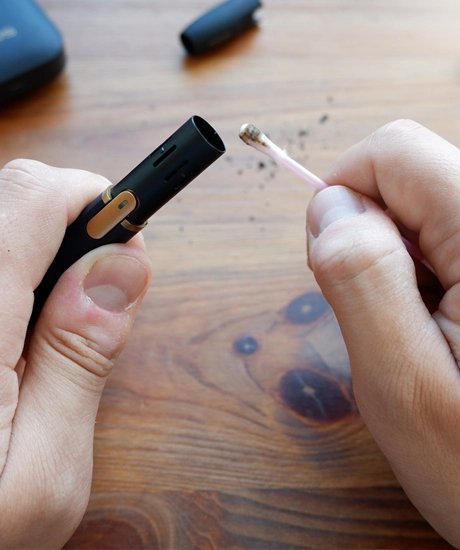
Deep ultrasonic hardware tank cleaning processes
High-frequency acoustic vibrations dislodge crystallized sweetener residue from intricate metallic threads, restoring optimal conductivity and preventing sticky connection misfires.
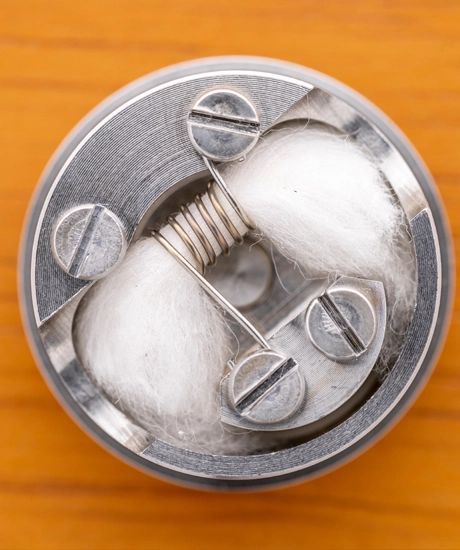
Standard organic cotton wick replacement protocols
Removing degraded cellulose fibers eliminates lingering oxidized flavors, establishing a pristine capillary pathway for fresh liquid saturation and vaporization.
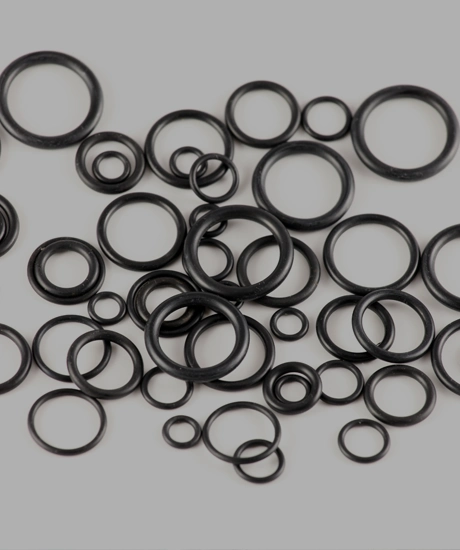
Periodic silicone rubber seal integrity inspections
Checking O-rings for microscopic structural fractures prevents vacuum loss inside the reservoir, effectively stopping messy leaks through the airflow vents.
Technical manuals
Understanding complex electronic cigarette system configurations
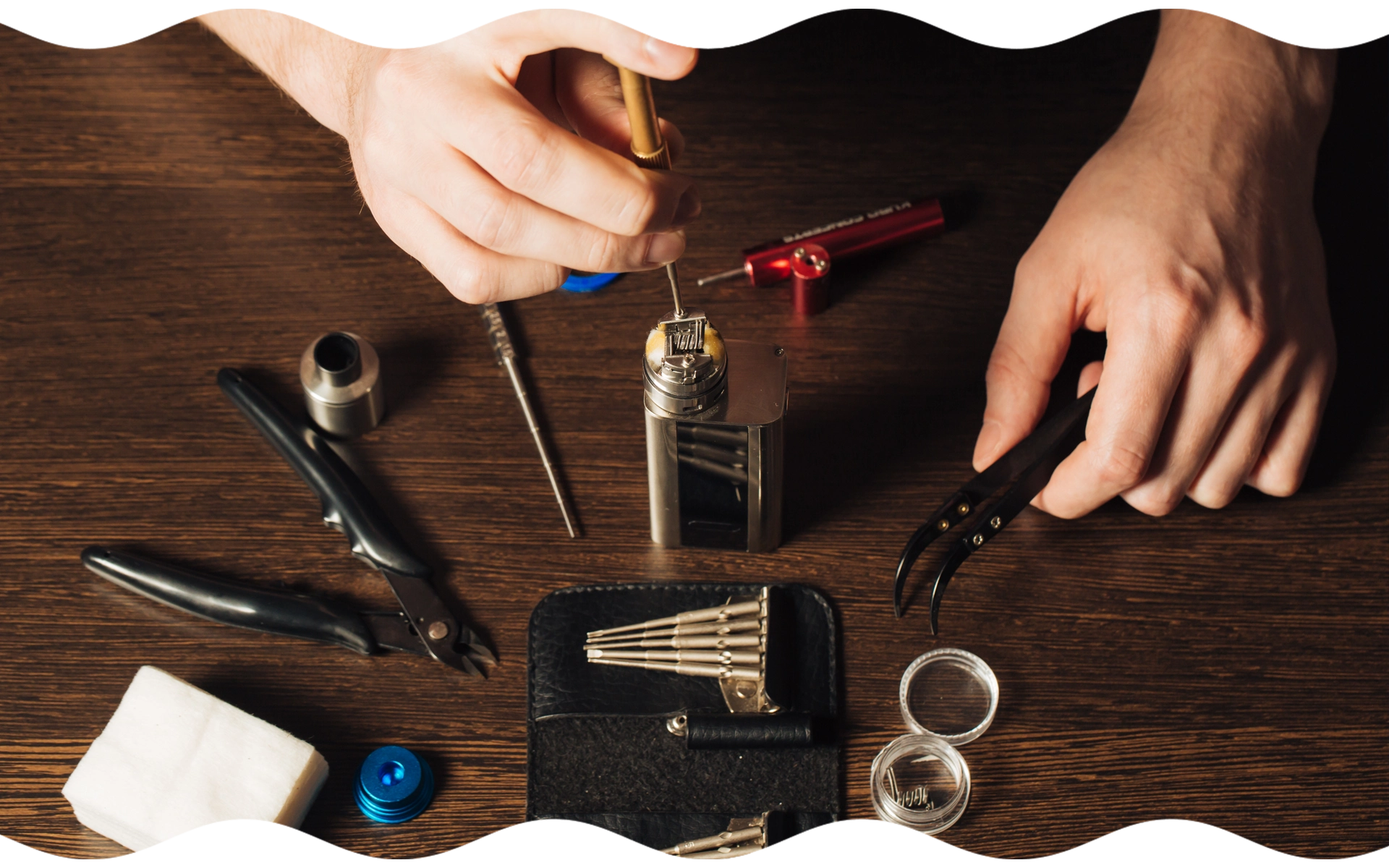
Mastering rebuildable atomizers involves calculating Ohms law parameters precisely to guarantee continuous battery safety during high-drain operations. Technicians wrap custom wire structures manually, meticulously positioning the heating core directly over the directed airflow deck to manipulate final cloud density. Incorrect wire gauges frequently trigger dangerous short circuits, prompting modern regulated chips to display critical error warnings and immediately sever all active power delivery mechanisms.

Core principles of daily vaporization safety
Lithium-ion power cells demand dedicated insulated transport cases to prevent accidental catastrophic discharge caused by metallic objects crossing the positive and negative terminals simultaneously. Proper structural ventilation holes positioned strategically along the outer metallic chassis dissipate internal heat buildup effectively. Observing maximum continuous amperage discharge ratings remains a completely non-negotiable operational protocol when pairing extreme low-resistance custom coils with completely unprotected tubular mechanical housing structures.